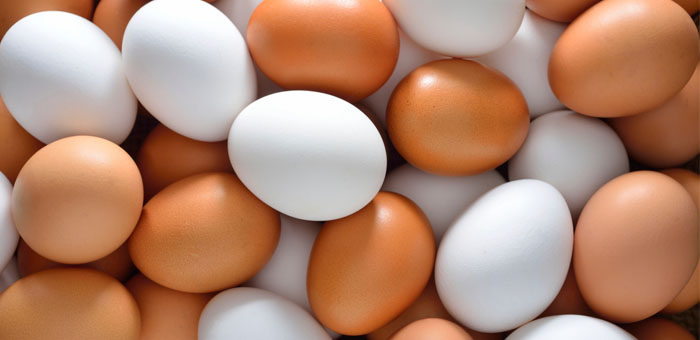
Eggs are one of nature’s most nutritious foods and a common ingredient in the dishes food trucks serve. But, you must take special care to have an egg safety program to monitor handling and preparing fresh eggs and egg products to avoid food poisoning.
Egg Safety Basics
The risk of an egg being contaminated with Salmonella bacteria is very low, about 1 in 20,000 eggs. But there’s no reason to take the risk of contracting foodborne illness. Proper handling of eggs can reduce the risk. Thorough cooking is the first step in an egg safety program.
- Scrambled eggs: Cook until firm, not runny.
- Fried, poached, boiled, or baked: Cook until both the white and the yolk are firm.
- Egg mixtures, such as casseroles: Cook until the center of the mixture reaches 160 °F when measured with a food thermometer.
- Homemade ice cream and eggnog are safe if you do one of the following:
- Use a cooked egg-milk mixture. Heat it gently and use a food thermometer to ensure that it reaches 160 °F.
- Use pasteurized eggs or egg products.
- Dry meringue shells, divinity candy, and 7-minute frosting are safe — these are made by combining hot sugar syrup with beaten egg whites. However, avoid icing recipes using uncooked eggs or egg whites.
- Meringue-topped pies should be safe if baked at 350 °F for about 15 minutes. But avoid chiffon pies and fruit whips made with raw, beaten egg whites — instead, substitute pasteurized dried egg whites, whipped cream, or a whipped topping.
- Adapting Recipes: If your recipe calls for uncooked eggs, make it safe by doing one of the following:
- Heating the eggs in one of the recipe’s other liquid ingredients over low heat, stirring constantly, until the mixture reaches 160 °F. Then, combine it with the other ingredients and complete the recipe. Or use pasteurized eggs or egg products.
Egg Recipes: Playing It Safe
Egg products, such as liquid or frozen egg substitute, are pasteurized, so it’s safe to use them in recipes that will be not be cooked. However, it’s best to use egg products in a recipe that will be cooked, especially if you are serving pregnant women, babies, young children, older adults.
RELATED: Egg Fun Facts
Egg Safety Storage Chart
| Product | Refrigerator | Freezer |
| Raw eggs in shell | 3 to 5 weeks | Do not freeze. Instead, beat yolks and whites together; then freeze. |
| Raw egg whites | 2 to 4 days | 12 months |
| Raw egg yolks | 2 to 4 days | Yolks do not freeze well. |
| Raw egg accidentally frozen in shell | Use immediately after thawing. | Keep frozen; then refrigerate to thaw. |
| Hard-cooked eggs | 1 week | Do not freeze. |
| Egg substitutes, liquid Unopened |
10 days | 12 months |
| Egg substitutes, liquid Opened |
3 days | Do not freeze. |
| Egg substitutes, frozen Unopened |
After thawing, 7 days or refer to “Use-By” date. | 12 months |
| Egg substitutes, frozen Opened |
After thawing, 3 days or refer to “Use-By” date. | Do not freeze. |
| Eggnog Homemade |
2 to 4 days | Do not freeze. |
| Pies Pumpkin or pecan |
3 to 4 days | After baking, 1 to 2 months. |
| Pies Custard and chiffon |
3 to 4 days | Do not freeze. |
| Quiche with filling | 3 to 4 days | After baking, 1 to 2 months. |
The Bottom Line
Not only are eggs extremely functional, they have enormous applications in your food truck, from garnishes to side dishes, appetizers to entrees. Eggs are also economical when compared with other sources of protein.
Eggs require little labor to prepare. Add that to their low cost and you can see the real financial benefit of cooking with eggs. Knowing how to safely buy, store, handle and cook eggs, and the foods that contain eggs, is important.
Do you have an egg safety program on your food truck? Did we miss anything in this discussion? Share your thoughts on this topic in the comment section, our food truck forum or social media. Facebook | Twitter